After a century of uncontrolled outdoor lighting, there are ways to combat light pollution that will make a difference right away. The West Chester Green Team is addressing the problem of light pollution through its local Dark Skies Initiative that publicizes information at events and works with public officials to mitigate the problem.
Read about PA Senator Carolyn Comitta’s initiative to reduce light to help fireflies in West Chester’s Everhart Park here. See our October 2025 panel written up in the Daily Local News as “Green Team sponsors discussion on dark skies at West Chester University” here. You can sign a petition urging the state to take action here.
If you would like to learn more about the West Chester Dark Skies Initiative and help us publicize this important issue, please contact us.
We are grateful to our elected officials for bringing bills to the state legislature top help remedy the problem. Of course it takes a lot of time and education to pass anything in Harrisburg; the latest version, introduced by Rep. Chris Pielli in 2025, is HB 969 to require state agencies and universities to phase in shielded lighting.
Read on below (adapted from the original text of WCU Astronomy Professor Marc Gagné) to find out more about the issue.
Most of us are familiar with air, water, and land pollution, but did you know that light can also be a pollutant?
Since Thomas Edison’s patent of the tungsten light bulb in 1906, artificial electric lighting has transformed our lives. But in the process, we have lost an important part of our human heritage: the night sky. Less than 100 years ago, most everyone could look up and see a spectacular starry night sky. Today 80% of Americans cannot see the Milky Way from their home.
Over the last century, the increased, excessive and widespread use of artificial light at night has not only impaired our view of the universe but has adversely affected the Earth’s climate through unneeded energy consumption, disrupted numerous plants and animals that rely on Earth’s regular rhythm of night and day, and threatened human health and safety.
Light pollution is also a major contributor to the climate crisis. Large amounts of electricity are needed to generate light, and electricity in the US is still predominantly produced by burning fossil fuels. Uncontrolled outdoor lighting wastes energy. As much as 50% of outdoor lighting is wasted, increasing greenhouse gas emissions, and contributing to climate change.
Plants and animals depend on the daily cycle of light and dark to regulate reproduction, nourishment, sleep, and protection from predators. Scientific research has linked light pollution to negative and deadly outcomes for many creatures including amphibians, birds, mammals, insects, and plants. For example, some nocturnal birds use the moon and stars for navigation during their migrations; and they can become disoriented when flying through brightly lit areas. Female sea turtles shy away from areas with bright lights, which interrupts their nesting patterns. Newly hatched turtles are so drawn to lights that instead of heading to the ocean, they often end up on land instead.
Help protect and conserve the fireflies in your backyard. Fireflies find mates by lighting displays, and if artificial light is shining, they can’t compete or see their mates. We can help by simply turning off outdoor lighting during the mating season, which in our area is mostly the month of June.
Research suggests that artificial light at night can negatively affect human health as well, increasing risks of obesity, depression, sleep disorders, diabetes, and breast cancer. Scientists have also established a link between light pollution and air pollution. Light from our cities can destroy nitrate radicals that form at night and help to cleanse the air. In addition to the negative economic, environmental and health impacts associated with light pollution, we are losing a precious natural resource: our nighttime environment.
Outdoor lighting illuminates the sky, hiding the stars and changing how we experience the night. If you would like more information about light pollution and what we can do now to improve our nighttime environment, the International Dark-Sky Association is a good place to start.
For a well-known columnist’s personal experience, see Dana Milbank, “I was busted by the light police. They had a point,” Washington Post, 5/5/23.
In 2022, several PA State Senators, including Carolyn Comitta form our area, filed a bill for the state to recognize Dark Sky Week in April 2022. The bill unfortunately did not reach the floor (see its legislative history here); but let’s hope for success in another year.
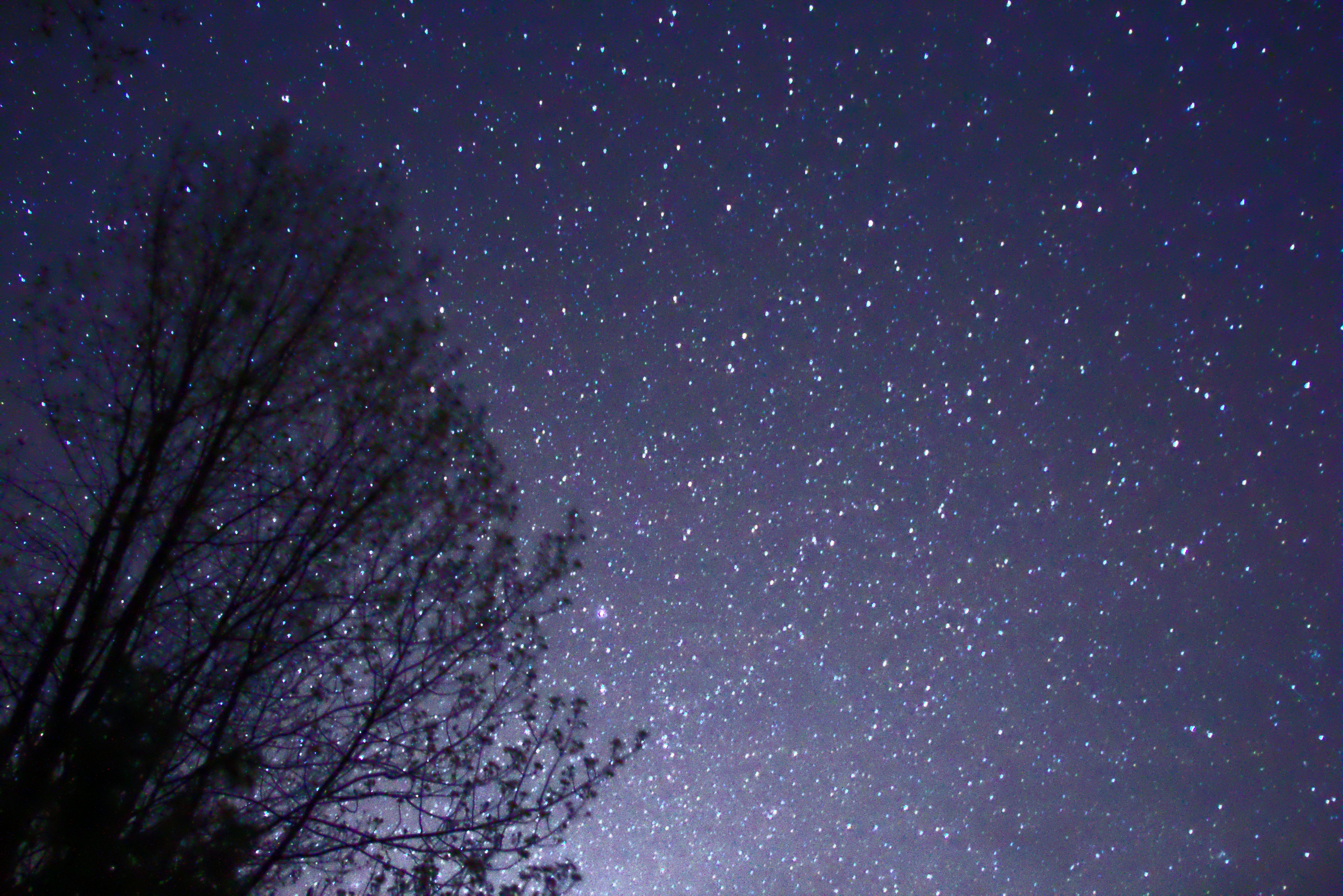
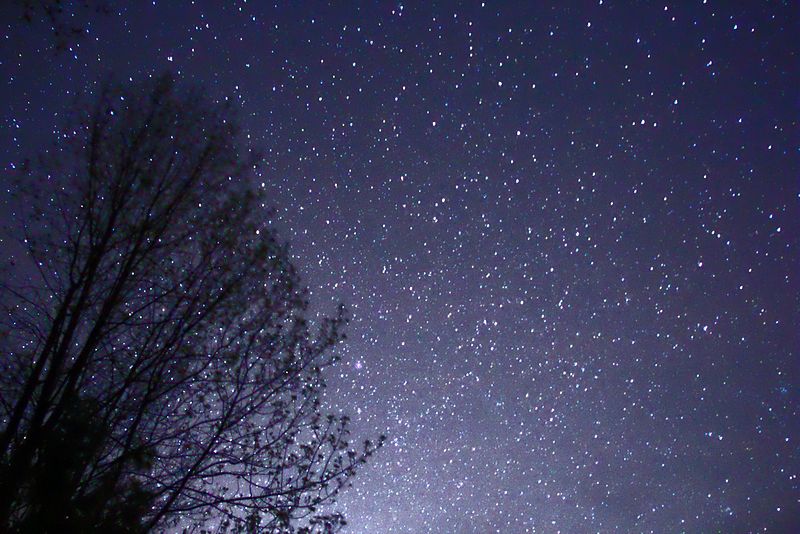
The night sky that everyone should have a chance to see:
 West Chester Green Team