West Chester Borough has constructed several rain gardens, which filter out pollutants and reduce runoff into streams. Property owners can of course also construct rain gardens, and in fact by doing so can benefit from a reduction of their Stream Protection Fee. Rain gardens bring together several Green Team interests: gardening, water, and community.
See more of our posts on rain gardens here. Here is useful background info from PennState Extension, 9/6/17:
What is a Rain Garden?
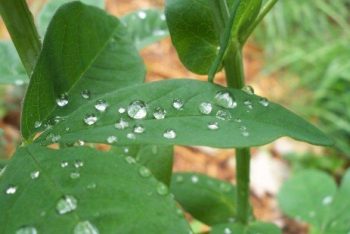
A rain garden is a planted depression that soaks up rainwater runoff from roofs, driveways, walkways, and compacted lawn areas—water that would otherwise carry pollutants directly to our streams. Rain gardens soak up 30 percent more water than an equivalent patch of lawn.
Where Do You Put a Rain Garden?
Choose an area where you want to soak up rainwater at least 10 feet from the house. Rain gardens can drain water from downspouts or catch water that drains off roads and walkways. Avoid areas over septic systems.
Do not place a rain garden in areas that are consistently wet. Rain gardens should drain completely within 24 hours….
Continue reading or download this handy guide to building and maintaining a rain garden at PennState Extension. See also our own 2019 post “Rain gardens / green infrastructure / Stream Protection Fee.”
 West Chester Green Team
2 responses to “An Introduction to Rain Gardens”
[…] more background from on our own web site, see here and […]
LikeLike
[…] rain gardens in particular, see HERE and […]
LikeLike