Would you like to help by volunteering to manage our Plastic-Free Please Facebook page? If so, please email us here.
The Mission:
The mission of the Green Team’s plastics action group, Plastic-Free Please, is to educate West Chester Area residents and businesses about how to reduce plastic use in our everyday lives, how to properly recycle the material we do use, and how to encourage local retailers to reduce the amount of plastic they use.
See all the WC Green Team’s posts on plastics here. See Plastic-Free Please on Facebook here and download its one-page guide for businesses here. On the county level, see the Chester County Plastic Pollution Task Force, which is promoting restrictions on single-use plastics in the various municipalities, here. For the latest PA news and data, see here.
The problem:
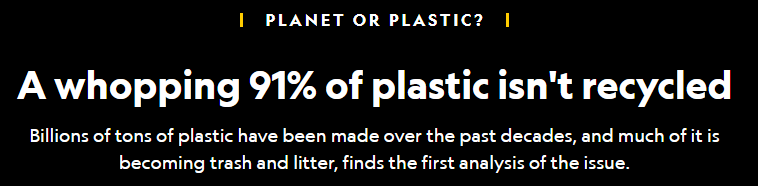
From our strong allies at PennEnvironment:
“Plastic is everywhere and in everything. It’s used as packaging, it’s in food service products, and it’s in clothing. All told, Americans generate over 35 million tons of plastic waste every year, 90% of which is landfilled or incinerated….
“Often when talking about plastic pollution, the images that come to mind are turtles snared in bags or straws, massive trash gyres in the Pacific Ocean, or whales washed ashore with hundreds of pounds of plastic waste in their stomachs…. Studies have also estimated that by 2050 there will be more plastic in our oceans than fish….”
And then there is the plastic we don’t see. From ScienceNews:
“Tiny particles of plastic have been found everywhere — from the deepest place on the planet, the Mariana Trench, to the top of Mount Everest. And now more and more studies are finding that microplastics, defined as plastic pieces less than 5 millimeters across, are also in our bodies.”
We inevitably ingest plastic from agricultural and environmental sources in our food and water; and maybe even worse, “Humans may be inhaling a credit card’s worth of toxic microplastics every week” (LiveScience). Researchers are starting to determine the threat to animal and human health. Unfortunately, “when plastic is used to package food, chemicals contained in the plastic may leach into what we eat — especially dairy products” (Beyond Plastics). See also “The Plastic Chemicals Hiding in Your Food” from Consumer Reports.
The approach:
“Great things are not done by impulse, but by a series of of small things brought together” — Vincent van Gogh.
It’s happening around the world: consumers don’t want so much plastic any more and are putting pressure on national and local governments to take ownership of the problem, and on businesses like retail outlets and supermarkets to realize that they play a vital role in reducing single-use plastics usage… and save money by doing so.
What can you do:
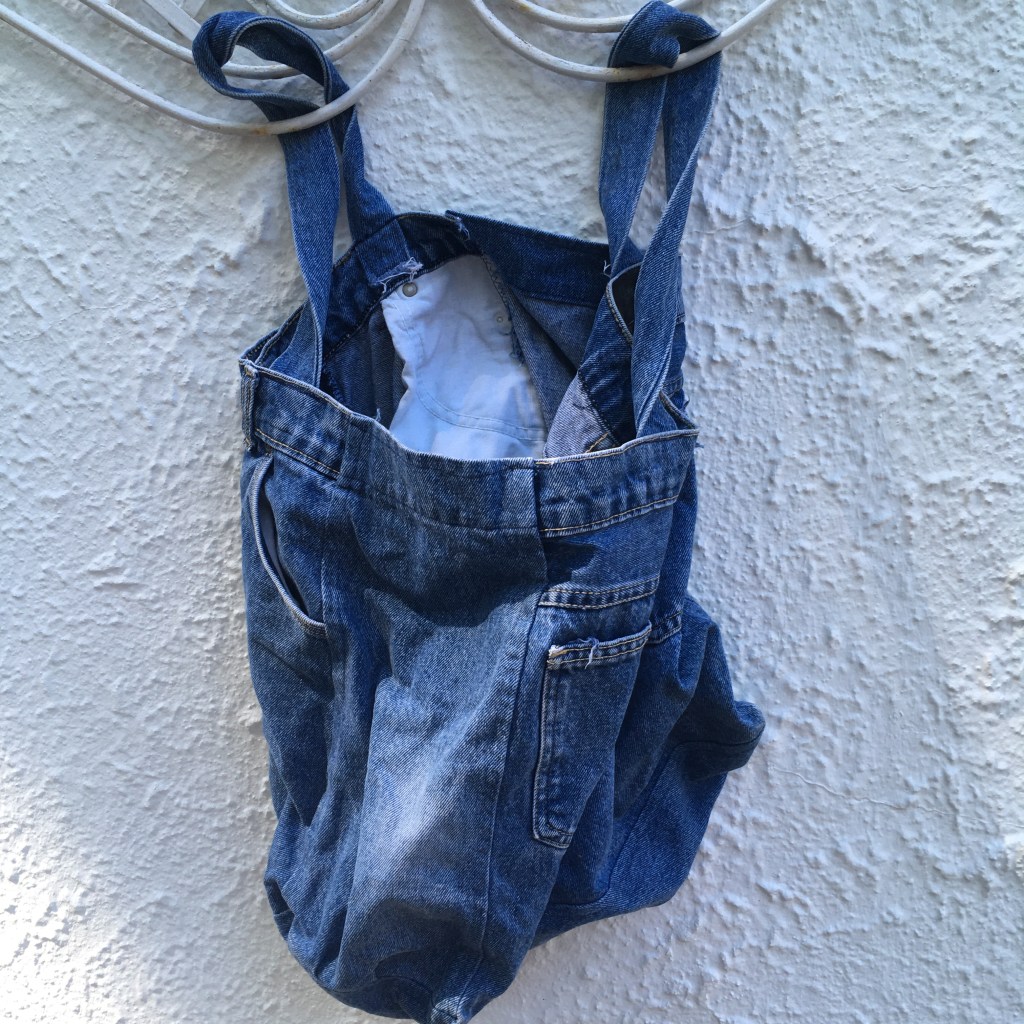
• Practice refusing, reusing and recycling whenever possible. Why buy liquid soap in a plastic dispenser when you can buy a bar of soap? Why buy a laundry bag when you can make one for free out of old blue jeans? Why drink from a straw at all?
• Shop with your own reusable bags. Always carry several when you set out to shop!
• Buy loose fruits and vegetables when you can. Patronize Growers Markets and other venues that do not force plastic wrappers and bags on you. Give preference to products not wrapped in, packed in or containing plastic. By the way, anyone who smokes cigarettes is inhaling through plastic.
• Carry your own refillable metal water bottle with you. Avoid plastic drink bottles (and the microplastics they deposit in the environment… and in yourself).
• Store leftovers in glass or ceramic containers.
• Put a strainer on your clothes washer outflow and trash the snared fibers, which will be mostly plastic. It is estimated that about 1/3 of all microplastics in the oceans are derived from clothing.
• Help spread the word from our web site (this page) and Facebook page to your friends. Subscribe to the WC Green Team newsletter and read past issues here. Post photos of plastic waste and overuse on your social media and identify the offending business.
• Write letters to the editor and post on your own social media explaining about the plastic crisis and how we can all help solve it.
See more good advice from our fellow Transition Team group in Media here.
For more info:
Aldi supermarket chain is cracking down on plastic waste, pledging to ensure all the packaging for its own-brand products is recyclable, reusable or compostable. See here.
New studies show that alarming numbers of tiny fibers from synthetic fabrics are making their way from your washing machine into the environment and aquatic animals. See here.
How about paper? It is tempting to believe that paper bags are environmentally friendly because they are made from a renewable resource, can biodegrade, and are recyclable. But converting wood into paper requires a resource-heavy pulping process, which the UK’s Environment Agency determined in its life cycle analysis (LCA) to be “significantly worse” than plastic in terms of its impact on human health and ecotoxicity (i.e., stress on an ecosystem). Please follow this link for more on the Plastic vs Paper discussion.
Everything we manufacture and throw away impacts the environment. And everything costs something: Paper bags cost the retailer more than plastic, and the cost is, naturally, passed along to us, the consumers.
Plastic-free July. Imagine a world without plastic waste. That’s our mission – to build a global movement that dramatically reduces plastic use and improves recycling, worldwide. See here.
Good news:
In Harrisburg, Regular Session 2023-2024 House Bill 1001 has been introduced to establish a state Plastic Pollution Task Force.
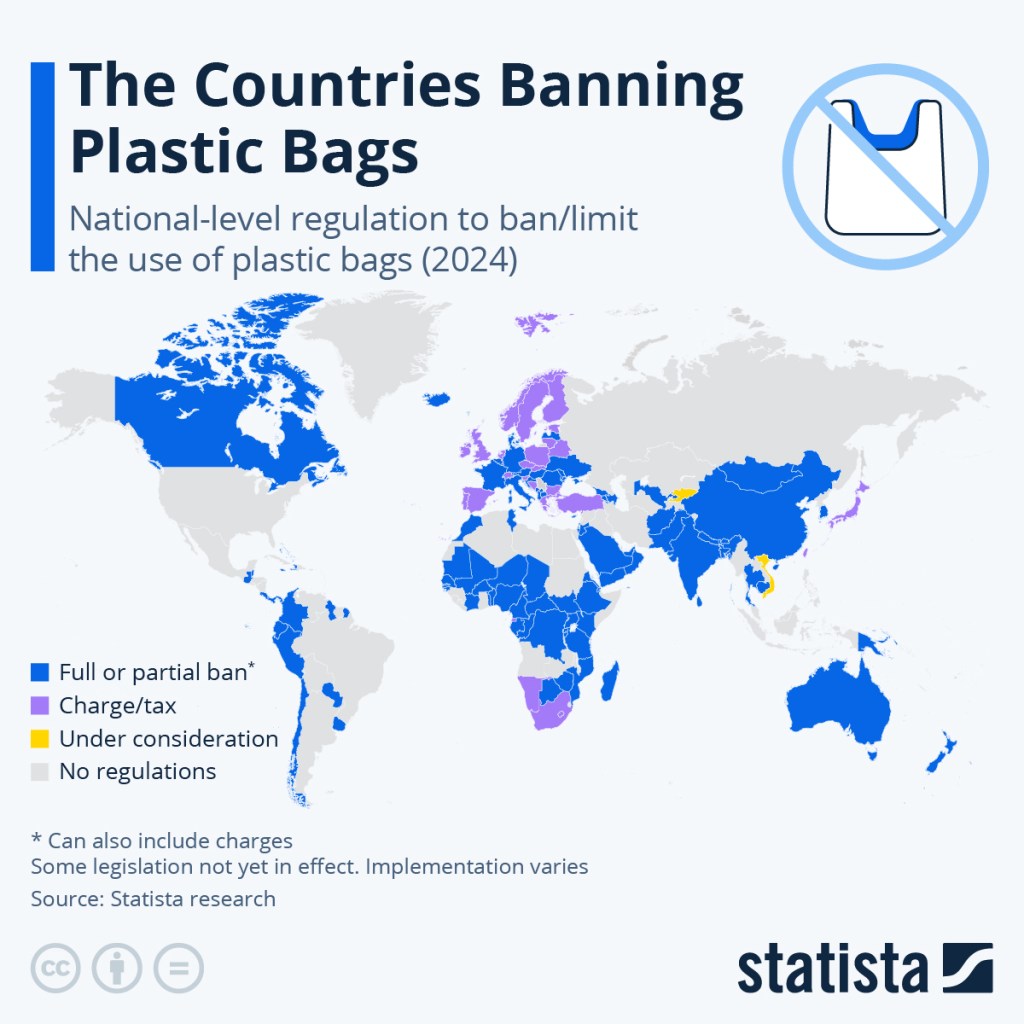
According to Statista (map from there), as of July 2024 “91 countries and territories in the world have passed some sort of full or partial ban on plastic bags” (not, of course, the US, which is why state and local action is so important here).
KFC pledged in 2019 that all its “consumer-facing” plastic products will be recyclable by 2025.
Japanese and Chinese scientists have figured out a way to incorporate into the very substance of PET bottles plastic-eating bacteria spores that, after use, cause the plastic to biodegrade.
Not so good news:
“Whales dying from plastic pollution are a grave reminder to give up our addiction to plastics” (LiveLoveFruit). Whales are being found dead with plastic waste and car parts in their stomachs; turtles are starving when plastic wraps around their beaks.
Styrofoam is rarely recyclable, a big problem. There are good alternatives. West Goshen has passed a ban on styrofoam, primarily affecting cups and food take-out containers,to go into effect in July 2025.
 West Chester Green Team